
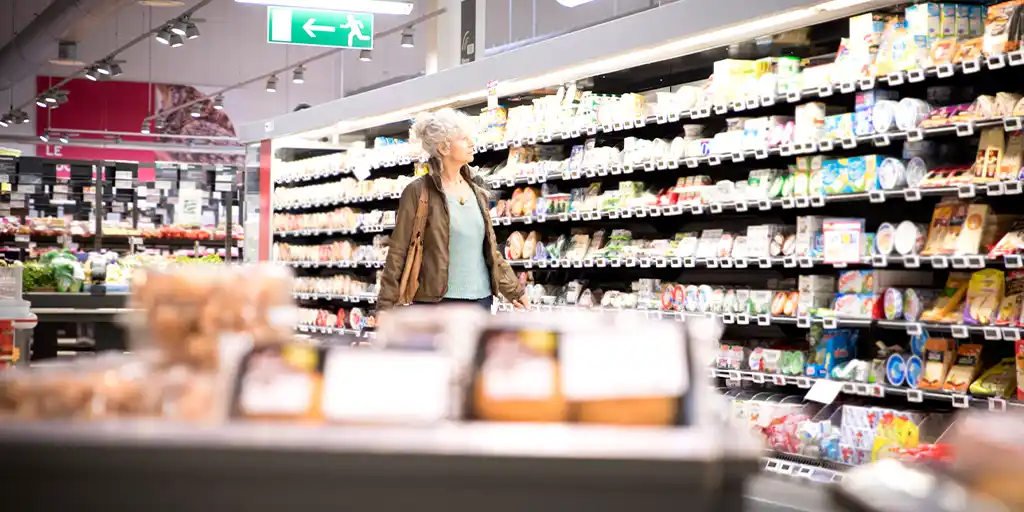
Not all convenience stores operate in the same way. At one end, you’ve got smaller, local shops where space is limited and the range is naturally tighter. At the other, there are larger convenience formats with more room to play with, wider aisles, bigger chillers, and a noticeably broader offer.
What’s interesting is that both can work perfectly well. Small corner shops off what we need, when we need it. Lines are often recognised brands, and while they may be a little more expensive than bigger stores, they’re brands customers trust – and they’re in need of. Equally, in a larger store, we tend to expect a bit more choice, particularly in categories like drinks, snacks, and alcohol.
So the question isn’t simply whether a wide range or a reduced range is better. It’s more about understanding when each approach works, and where it can start to tip too far.

Unpacking Wider Ranges in Convenience Stores
There’s a clear logic behind offering more choice. A broader range increases the likelihood that you’ll have something for everyone, whether that’s different tastes, dietary preferences, or price points.
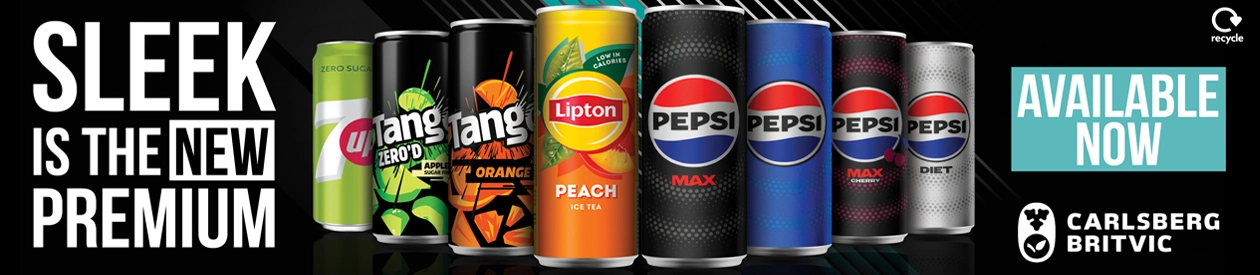
In categories where brand matters – soft drinks and food-to-go are a good example – customers often come in with something specific in mind. If you don’t stock it or the customer thinks the choice is too small, there’s a real chance they’ll go elsewhere. In that sense, a wider range can help capture those planned purchases as well as drive impulse.
It also allows stores to feel more competitive against larger retailers, particularly when customers are looking to do a slightly bigger top-up shop rather than just a quick grab-and-go – but there is a point where more choice stops adding value and more becomes too much.
In a convenience setting, customers are usually short on time, and that changes how they shop.
When faced with too many similar options, decision making slows down. You’ll often see customers pause longer than expected in front of a fixture, weighing things up, before either picking something quickly or abandoning the decision altogether.
That’s where a wide range can start to work against you. Instead of making the sale easier, it introduces friction and uncertainty, particularly when the differences between products aren’t obvious.
Unpacking Reduced Ranges in Convenience Stores
A tighter, more focused range can often do the opposite. It simplifies the decision, makes the offer feel clearer, and helps customers move through the store with less effort.
This is exactly why smaller stores with naturally reduced ranges still perform well. They meet a need quickly and reliably, without asking the customer to overthink it.
What’s changing now is that more retailers are applying that same thinking more deliberately and being more intentional with what they offer. Rather than stocking as much as possible, they’re focusing on the products that genuinely earn their place on the shelf, whether that’s best sellers, clear meal solutions, or strong food-to-go options.
How Shopper Behaviour is Shaping This
The way people use convenience stores has shifted over time. There’s more top-up shopping, more immediate consumption, and more mission-led visits, where customers are coming in for something specific rather than browsing.
Customers aren’t necessarily looking for ten versions of the same product – or even five. More often, they’re looking for something quick, reliable, and easy to choose, whether that’s now, for dinner later, or a last minute mission from something they’ve run out of – from flour to washing tablets.
In that context, a reduced or more curated range can often serve the customer better than a crowded shelf.
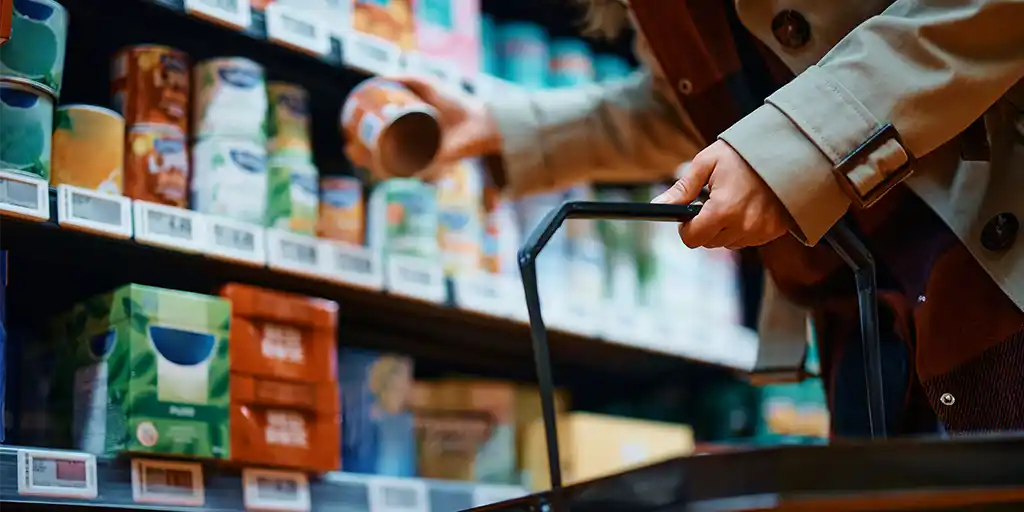
What Works Best In Practice?
There are categories where a broader range still makes sense, particularly where brand loyalty or variety drives sales. But there are also areas where duplication adds very little, and tightening the range can improve both performance and the customer experience.
- Give more space to the products that already sell well, rather than spreading facings too thin
- Look closely at duplicated lines that offer very little difference and question whether both are needed
- Think in terms of customer missions, such as lunch, dinner, or snacks, and make those easy to shop
- Review range regularly, especially slow movers that take up space without contributing much
The Independent Advantage
Independent retailers are in a strong position. Unlike larger chains, you’re not tied into fixed ranges or central decisions, which gives you the flexibility to adapt.
You can test changes, respond to what your customers are actually buying, and refine your offer over time. In a smaller space, that ability to be selective becomes even more important.